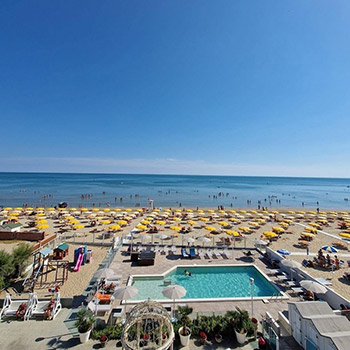
Planning an Easter holiday in Le Marche? Get ready for a culinary experience that starts as early as breakfast! Forget croissants and cappuccino: on tables across the region, you’ll find cured meats, blessed eggs, cheese, savory Easter bread, and wine. It’s a mix that feels like brunch, but with much older roots, deeply tied to the region’s farming traditions. Join us as we explore what’s eaten at Easter in Le Marche—and why it’s worth experiencing in person, perhaps right by the sea at Hotel CasaDei in Fano.
What Is Easter Breakfast Like in Le Marche?
In Le Marche, Easter breakfast is a serious affair—so important it can easily outshine lunch. Families gather around beautifully set tables, lovingly prepared by the “vergare” — the women of the house — who leave nothing to chance: embroidered tablecloths, ingredients blessed on Good Friday, and top-quality local products. This still cherished tradition has ancient origins. It was a way to break the Lenten fast and also clear out the pantry of cured meats before the summer heat. Just like back then, it’s a ritual filled with the scent of home, celebration, and togetherness. It’s a triumph of bold and authentic flavors—perfect for starting the day with energy and style.
What Is Marche-Style Cheese Bread?
When you say “Easter in Le Marche,” you say “pizza di formaggio.” But don’t expect anything like the pizza you know: this is more like a tall, fluffy savory panettone made with eggs and cheese. In dialect, it’s called “pizza cascio e oe” or “crescia brusca,” and it fills the house with an irresistible aroma. It’s believed to have originated in Jesi, though written records also place it at the Monastery of Santa Maria Maddalena in Serra de’ Conti as early as 1848. Traditionally, it was made with 40 eggs (one for each day of Lent!) and couldn’t be tasted until the Easter bells rang again. Every village — and often every family — has its own version, varying the types of cheese used: parmesan, pecorino, or other bold flavors. The result? A golden masterpiece that rises to more than double its original size.
What Goes with Marche’s Cheese Bread?
Every respectable slice of cheese bread in Le Marche is served with “ciauscolo”: soft, spreadable, aromatic. Or maybe with fine slices of Fabriano salami or salame lardellato. Every area in Le Marche has its own specialty salami, and Easter breakfast is the perfect time to rediscover them all. Ciauscolo, in particular, is a gem: in 2009 it received the I.G.P. label and is known for its creamy texture and delicate yet persistent flavor. This combination of cured meats and crescia is a harmony of flavors that speaks of celebration, tradition, and — above all — deliciousness. And of course, everything is paired with a good glass of red wine, because yes, wine also has its place in this breakfast that can only be described as “hearty.”
Pack Your Bags and Leave Room for Relaxation: We’re Waiting for You at Hotel CasaDei
Easter in Le Marche isn’t just a religious holiday — it’s a full sensory experience. From the abundant breakfast to the warmth of the people, from the aroma of cheese bread to the sound of the sea. If you want to savor all this by the Adriatic, Hotel CasaDei in Fano awaits you with sea-view rooms, traditional cuisine, and the warm hospitality the Marche region is known for. Book your stay and come discover Easter like you’ve never experienced it before.
18/04/2025